Wrestling, riding, archery: Naadam's sports as fitness
Wrestling, horse riding and archery each train something different: strength, balance, posture, focus. A fitness look at Naadam, plus how to borrow from it at home.
 Aminasa
5 min read
Every year from 11 to 13 July, Mongolia celebrates Naadam. Its heart is three contests: wrestling, horse racing and archery. In 2010 UNESCO added the festival to its list of the Intangible Cultural Heritage of Humanity1.
Most of us watch these sports from the stands or on TV. Yet each one is real training, and each asks something different of the body. Before the festival starts, here's a look at Naadam through a fitness lens, and at what a city dweller can borrow from it.
How exercise intensity is measured
Scientists often describe intensity in METs. One MET is roughly the energy you use sitting quietly2. The World Health Organization classes activities of 3 to under 6 METs as moderate, and 6 METs or more as vigorous3.
The Adult Compendium of Physical Activities, a standard reference, gives these approximate values for activities close to the Naadam sports2:
| Activity | Approx. METs | Intensity |
|---|---|---|
| Wrestling, one 5-minute match | 6.0 | Vigorous |
| Horse riding, walking | 3.8 | Moderate |
| Horse riding, general | 5.5 | Moderate |
| Horse riding, trotting | 5.8 | Moderate |
| Horse riding, canter or gallop | 7.3 | Vigorous |
| Archery | 4.3 | Moderate |
These are averages across many people. A real Naadam bout or race can be longer and far more intense.
Wrestling: strength, grip and balance
A wrestling bout may last only minutes, but it loads the whole body. Wrestlers grab the opponent's jacket and arms, push, pull and keep shifting their feet to stay upright. Grip, forearms, legs, hips and core all work at once.
Short bursts of all-out effort followed by brief pauses make wrestling a lot like interval training. The neck and shoulders take the heaviest load. Before you wrestle, spend 5–10 minutes warming up: roll your neck gently and circle your shoulders. The traditional eagle dance opens the arms and chest, but it doesn't replace a proper warm-up. And if you haven't trained, don't take on someone much bigger or stronger than you.
Horse riding: core, posture and balance
It can look as if the horse does all the work. In fact the rider is constantly balancing against the horse's movement, using the core, inner thighs and back. Intensity climbs sharply as you move from a walk to a trot and then a canter or gallop2.
Most riding injuries happen in falls. Riders instinctively put out an arm, which can lead to sprains and fractures of the wrist, elbow or shoulder. The most serious injuries affect the pelvis, spine and head, and can be life-threatening5. Always wear a riding helmet that meets safety standards and sturdy boots with a small heel5. Young children should only ride with an adult close by.
Archery and knuckle-bones: back and focus
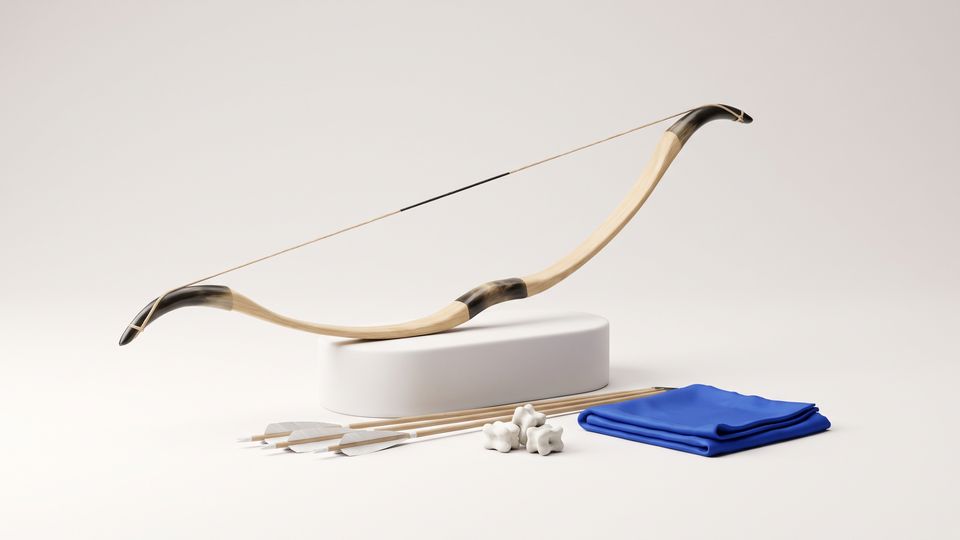
Drawing a bow works the upper back, the backs of the shoulders and the arms. Holding the draw while you aim takes an upright posture, steady shoulders and calm breathing, which is exactly what many desk workers lose by mid-afternoon. Archery is rated at around 4.3 METs, in the moderate range2.
Knuckle-bone shooting, shagai kharvaa, is a game of precision rather than effort. Teams of six to eight players flick thirty small marble tablets along a smooth wooden board towards a target of sheep knuckle-bones, singing traditional melodies as they play4. UNESCO inscribed it in 20144. It's a lovely way to train concentration and fine finger control, and to play across generations.
Staying safe at Naadam
- Warm up. Before wrestling, riding or shooting, walk easily for 5–10 minutes and move your joints through their range.
- Protect your head. A proper riding helmet and suitable boots are non-negotiable on horseback5.
- Drink regularly. In hot weather, WHO suggests about a cup of water an hour and at least 2–3 litres a day6.
- Find shade. Perceived temperature in the sun can be 10–15°C higher. Avoid strenuous activity in the hottest part of the day6.
- Know the danger signs. Heatstroke is a medical emergency6. If someone becomes confused, faints or feels extremely hot, move them into the shade and call 103 straight away.
For more on summer hydration, see how much water you really need.
What a city dweller can borrow
You don't need to enter the stadium to build what these sports demand. WHO recommends muscle-strengthening activity on at least 2 days a week for adults, and balance and strength work on at least 3 days a week for older adults3. A few minutes of the following counts:
- Farmer's carry. Hold a heavy bag or water bottle in each hand and walk 20–30 metres. Repeat 2–3 times.
- Wrestler's squat. Feet wider than your shoulders, sink halfway down and hold for 20–30 seconds.
- One-leg balance. Stand on one foot for 30 seconds while you brush your teeth, then switch.
- Plank. Rest on your forearms, keep your body straight and hold for 20–40 seconds.
- Bow pull. Stretch a resistance band across your chest and squeeze your shoulder blades together. Do 2–3 sets of 10–15.
- Shagai night. Get the family round the table for a game of knuckle-bones.
Tracking it with Aminasa
The Aminasa app on Apple Watch has 38 workout types, including Mongolian wrestling (Бөх), horse riding (Морь унах) and archery (Сур харваа). Start a session from your wrist when you wrestle, ride or shoot. Exercise minutes are one of the inputs to the Activity part of your Health Score.
Sources
- UNESCO — Naadam, Mongolian traditional festival (Intangible Cultural Heritage, inscribed 2010) ich.unesco.org
- Herrmann SD, et al. 2024 Adult Compendium of Physical Activities: a third update of the energy costs of human activities. J Sport Health Sci. 2024;13(1):6–12 pacompendium.com
- WHO — Guidelines on physical activity and sedentary behaviour (2020) who.int
- UNESCO — Mongolian knuckle-bone shooting (Intangible Cultural Heritage, inscribed 2014) ich.unesco.org
- AAOS OrthoInfo — Horseback Riding Injury Prevention orthoinfo.org
- WHO — Heat and health, fact sheet (2026) who.int
This article is not medical advice. It's general information and doesn't replace an examination, diagnosis or treatment by a doctor. If symptoms worry you, please see a healthcare professional.