How much water do you really need? A summer hydration guide
There's no universal "8 glasses a day" rule. Learn what actually sets your water needs, and how to build an easy hydration habit for hot summer days.
 Aminasa
4 min read
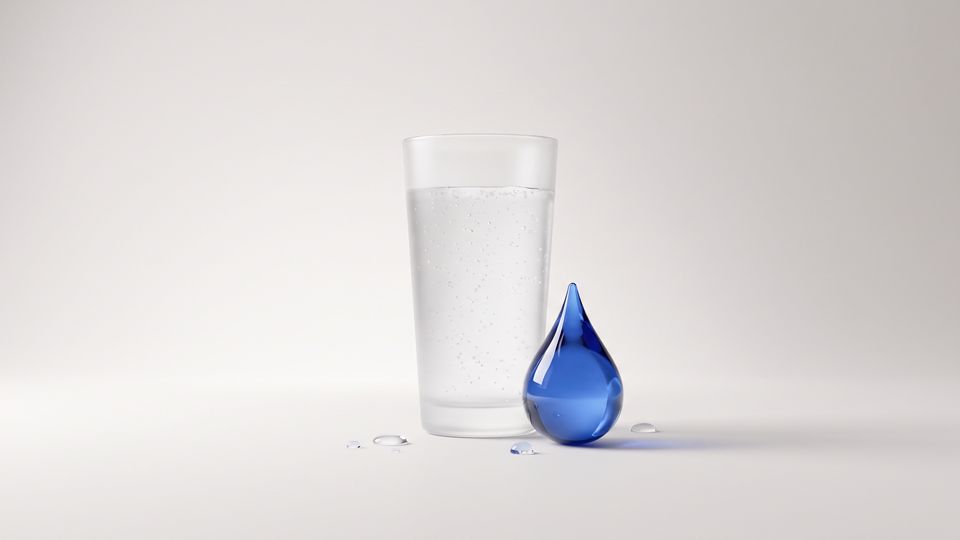
It's a hot July afternoon in Ulaanbaatar, the sun is beating down on the Naadam crowds, and everyone seems to be holding a drink. You've heard it a hundred times: drink eight glasses of water a day. But is that number right for you?
The science gives a more flexible answer. How much water you need depends on your body, how active you are and the weather around you. Here's how to work out what's enough, and how to make drinking it easy.
There's no magic number
Harvard's Nutrition Source notes that the familiar eight-glasses rule may not suit everyone3. Instead, expert bodies have set reference values for an average healthy adult:
- US National Academies: 3.7 L of total water a day for men and 2.7 L for women aged 19–301.
- European Food Safety Authority (EFSA): 2.5 L a day for men and 2.0 L for women2.
These figures cover total water, including what you get from food. About 20% of our water comes from foods such as fruit, vegetables and soup3, so the amount you actually drink is lower. Harvard translates the US values into roughly 13 cups of fluids a day for men and 9 for women, and stresses that this is a general guide rather than a daily target3. The fact that two respected agencies arrive at different numbers tells you there's no rigid rule.
What raises your needs
People who are physically active or spend time in hot conditions need more water1. High altitude and breathing cold, dry air also increase the water you lose through your breath1. In Mongolia, several of these overlap:
- A dry continental climate. Sweat evaporates quickly, so it's easy to underestimate how much you've lost.
- Altitude. Ulaanbaatar sits at roughly 1,350 m, and trips into the mountains take you higher still.
- Summer heat and Naadam. Standing in the sun for hours, wrestling and riding all add up.
- Exercise. Running, cycling and strength training mean extra losses through sweat.
Fever, vomiting and diarrhoea drain fluids fast as well. Drink regularly when you're ill, and see a doctor if symptoms are severe or don't improve.
How to tell if you're drinking enough
For most healthy people, thirst plus the drinks you have with meals is enough to stay in balance day to day1. Urine colour is a rough guide: the more concentrated it is, the darker it gets. Keep in mind that some foods, medicines and vitamins can change the colour too3. Symptoms of dehydration can appear with as little as a 2% water deficit3.
Older adults may not feel thirst reliably3, and with age the kidneys become less able to concentrate urine1. If you're older, or caring for an older relative, it helps to drink at regular times rather than waiting until you feel thirsty.
What to drink
Plain water is the simplest choice. It has no calories, so replacing sugary drinks with water helps cut your calorie intake4. Sugary drinks add calories but very little nutrition4.
Tea and coffee count towards your daily water too; caffeine's diuretic effect is weaker than people once believed3. Milk tea is also a fluid, but it brings salt and fat with it, so keep an eye on how many bowls you drink. Our salt and milk tea article goes into the details.
Building the habit
- Keep a bottle with you. A reusable bottle in sight on your desk or in the car is a constant reminder4.
- A glass with every meal. Put water on the table at mealtimes4.
- Drink before and after exercise. On hot days, always take water when you train outdoors.
- Stack it onto an existing habit. Have a glass after brushing your teeth in the morning, or each time you sit down at your desk.
- Add some flavour. A slice of lemon, some mint or cucumber can make water more appealing3.
If you can't rely on thirst, Harvard suggests filling a 20-ounce (about 600 ml) bottle four times a day and sipping through the day3. On a workday, that might mean two bottles before lunch and two after.
More is not always better. In rare cases, drinking far too much water can lower blood sodium to dangerous levels, a condition called hyponatremia. People with impaired kidney function and endurance athletes are at higher risk3. If your doctor has asked you to limit fluids because of a kidney or heart condition, follow that advice.
Tracking it with Aminasa
Aminasa doesn't count glasses of water. If you allow location access, though, it gives weather-aware tips on hot or high-UV days, and the morning notification includes the day's weather, a useful prompt to pack your bottle. Workouts you record with the Aminasa app on Apple Watch, including traditional Naadam sports, also show which days you were most active and likely needed extra water.
Sources
- National Academies — Dietary Reference Intakes for Water, Potassium, Sodium, Chloride, and Sulfate (2005) nap.nationalacademies.org
- EFSA — Scientific Opinion on Dietary Reference Values for water. EFSA Journal. 2010;8(3):1459 doi.org
- Harvard T.H. Chan School of Public Health — The Nutrition Source: Water nutritionsource.hsph.harvard.edu
- CDC — About Water and Healthier Drinks cdc.gov
This article is not medical advice. It's general information and doesn't replace an examination, diagnosis or treatment by a doctor. If symptoms worry you, please see a healthcare professional.